
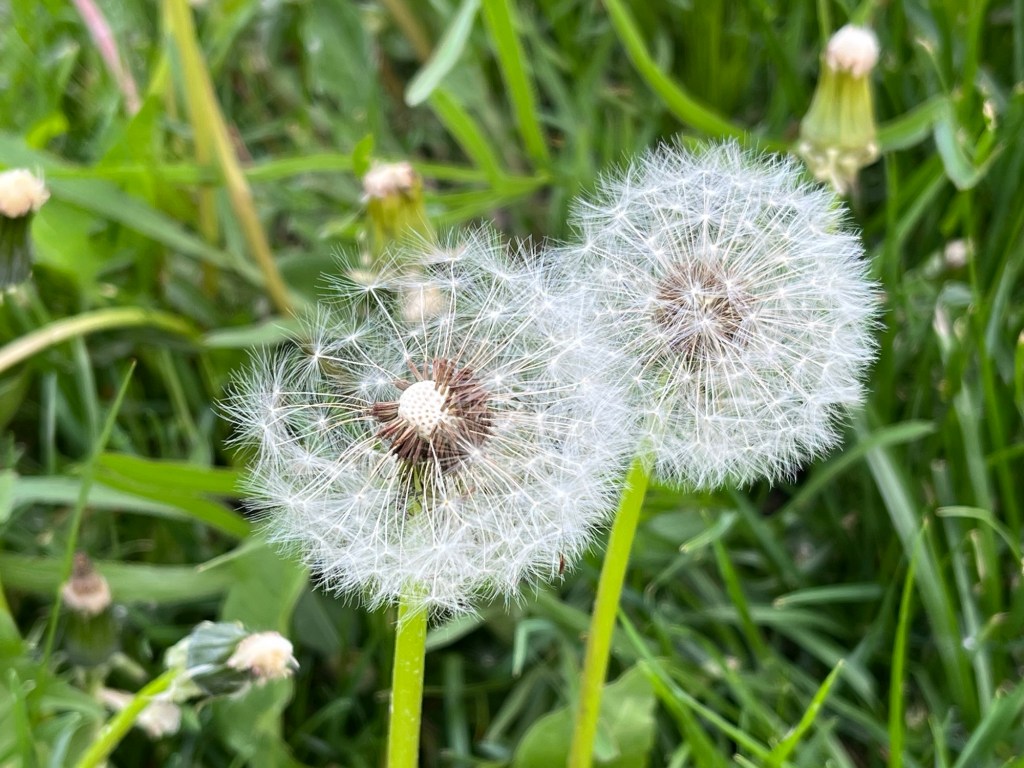
Kerk Boon Leng 2026
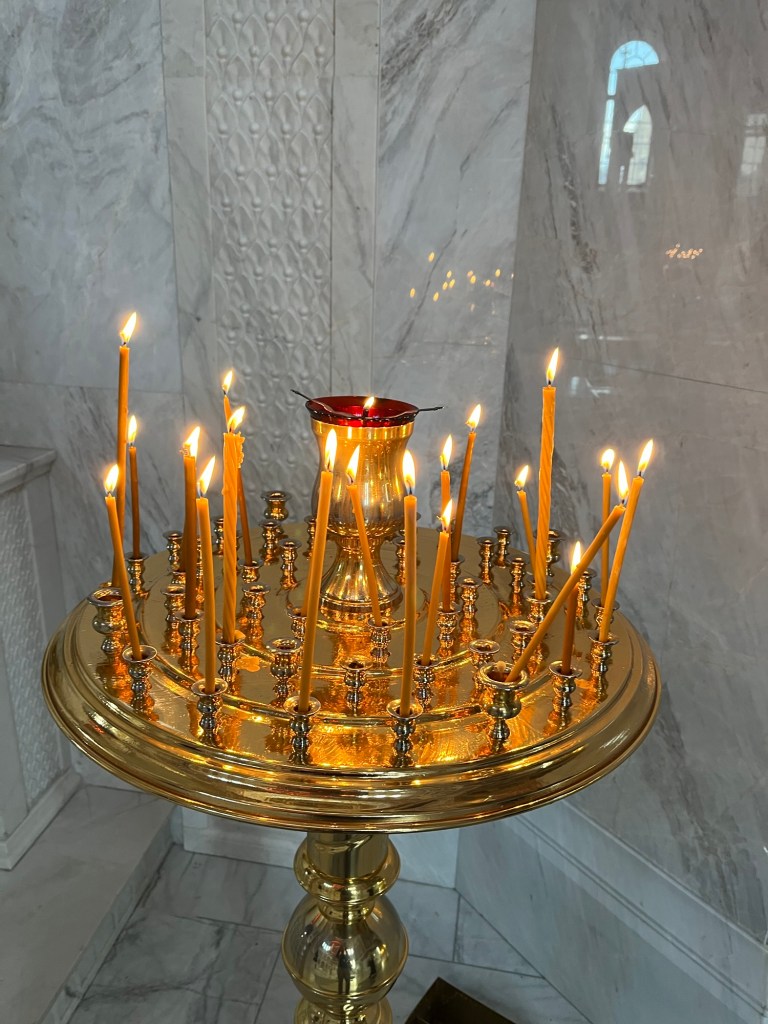
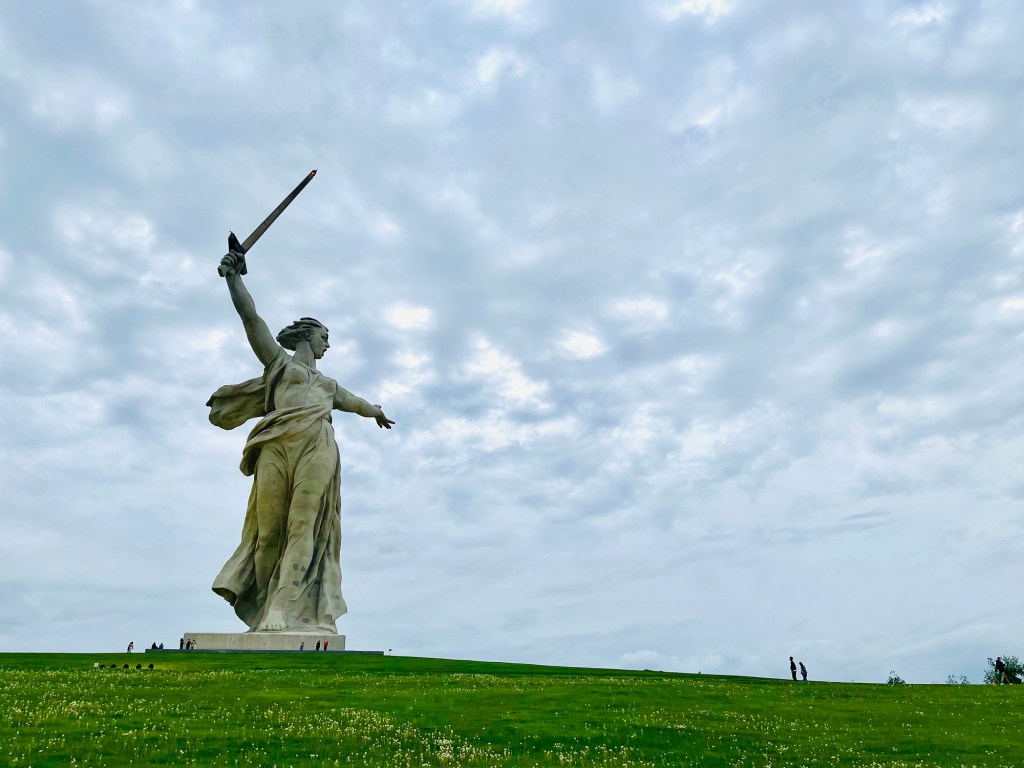
Родина-мать зовёт! the Motherland Calls, Mamaev Kurgan, Volgograd. Copyright 2026 Kerk Boon Leng
This week, on 22 June eighty-five years ago, Europe united under the Nazis launched Operation Barbarossa, the largest military invasion in history, against the Soviet Union — a country that then included Russia, Ukraine, and several other republics. The price paid by the Soviet people was unimaginable: 27 million dead, soldiers and civilians alike. A sacrifice so enormous that it is difficult for people today below the age of 65 to comprehend.
And yet history has a strange way of repeating itself.
The land that absorbed the full force of Hitler’s war machine, the people who buried an entire generation fighting Nazism, are once again standing across the battlefield. The narrative has flipped, but not the motive. The old invader is rebranded; the old defender is now portrayed as the aggressor.
From Napoleon to Hitler, Russia’s history has been shaped by repeated invasions from the West. Today, once again, Europe and its NATO Rottweilers and front-gate Baltic Chihuahuas and Pomeranians are involved in a war against Russia, this time through a heavily funded proxy, the Ukrainian government led by Zelensky. Drones and missiles cross borders, and many civilians are caught in the violence. The names and uniforms may change, but for Russia the memory of invasion runs deep.
What is perhaps even more astonishing is how much the world itself has been turned upside down by three decades of runaway Western-style globalisation.
The globalist promise was that borders would disappear, cultures would blend, and the world would become more prosperous. Instead, it has created a world where supply chains stretch across continents; local industries, forests, languages, cultures, and families disappear; and nations compete in a race where everyone is either lost, lazy, greedy, or vulnerable.
Imagine a Taoist priest predicting in the 1990s that the best cars in the world would one day come from China, not Germany; that Dubai would become known for luxury chocolate, not Switzerland; and that Southeast Asians would fly to Japan, not just Thailand, for a cheap holiday experience.
The world we were told we must treasure and protect has already disappeared.
Perhaps the biggest illusion of our age is believing that history moves only in one direction — towards science, progress, and intelligence — and that humans will never return to barbarity, ignorance, and the Stone Age.

